The Case
Who Is Amir Tataloo, and Why This Campaign Exists
Who Amir Tataloo is, what this campaign stands for, and the principles at its heart: freedom of expression, due process, and human dignity.
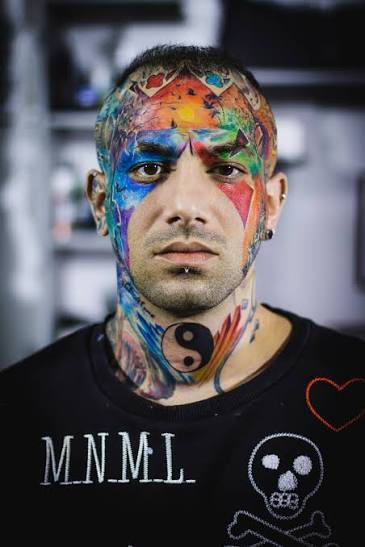
Amir Tataloo (born Amir Hossein Maghsoudloo) is one of Iran's most widely followed pop and rap artists. He built a large online audience over more than a decade and, like many popular artists, he is a divisive public figure whom people admire or criticise for different reasons.
This campaign is not about whether you like his music or agree with his views. It is about the principles his situation raises: freedom of expression, due process, a fair trial, and human dignity. When those protections are weakened for one person, they are weakened for everyone.
What this campaign is
The campaign's position is straightforward: no one should face execution or punishment for peaceful expression, and everyone is entitled to a fair, transparent legal process. These are not partisan claims. They are widely accepted standards set out in international human-rights law.
What this campaign is not
The campaign does not claim to judge guilt or innocence, does not endorse every statement the artist has made, and does not ask anyone to ignore the concerns of those who disagree with him. Defending a principle for one person is how that principle stays real for all.
How to engage responsibly
The most useful thing supporters can do is stay accurate: rely on credible human-rights organisations, separate verified facts from rumour, and share responsibly. The Resources page lists the foundational documents and the established organisations that monitor cases like this.
References
- Universal Declaration of Human Rights (1948).
- International Covenant on Civil and Political Rights (ICCPR).
- Reporting from established human-rights organisations, listed under Resources.
Case-specific facts are set out separately in “Understanding the case”, with sources, and are clearly marked where verification is still developing.
Related articles

Understanding the Case: What Is Responsibly Known
A careful, sourced summary of what has been reported about the case, separating verified facts from reported claims, with links to authoritative organisations.
Read article
How to Support a Human-Rights Campaign Responsibly
Practical, peaceful and accurate ways to support a human-rights campaign without spreading misinformation or putting anyone at risk.
Read article
Verified Facts, Reported Claims, and Campaign Positions
How to keep verified facts, reported claims and campaign positions separate, with a simple test to run before you share anything.
Read article