The Case
Understanding the Case: What Is Responsibly Known
A careful, sourced summary of what has been reported about the case, separating verified facts from reported claims, with links to authoritative organisations.

Responsible advocacy starts with accuracy. This page summarises what has been reported about Amir Tataloo's legal situation by established news outlets and human-rights organisations, and it is careful to separate what is confirmed from what is reported or still developing. It is not a legal judgement.
Background
Amir Tataloo (Amir Hossein Maghsoudloo), an Iranian singer, lived in Istanbul from 2018 and was returned to Iran in December 2023, as reported by multiple international outlets.
What has been reported
In January 2025, international media and human-rights organisations reported that Iran's Supreme Court had sentenced him to death on a charge of blasphemy (insulting the Prophet), after a prosecutor objected to an earlier prison term. In early May 2025 the death sentence was reported to have been upheld and referred for enforcement. Days later, in mid-May 2025, his lawyers and family reported that a review under Article 477 of Iran's Criminal Procedure Code (which allows final verdicts to be re-examined) had been accepted and the death sentence overturned and sent for re-examination. He has separately been reported to be serving prison sentences on other charges, including a ten-year term.
Reports around these developments have at times been conflicting, and the situation has continued to change. Treat any single status as provisional and check the current position with the organisations listed under Sources.
Why it raises human-rights concerns
Under international law, the death penalty may only be imposed for “the most serious crimes”, which UN human-rights bodies interpret to mean intentional killing. A death sentence connected to expression or belief falls far outside that limit, which is why human-rights organisations have expressed grave concern.
How to follow it responsibly
Rely on primary documents and established human-rights organisations, note the date of any claim, and distinguish verified facts from allegations. The article on verifying information explains how.
Sources
- Reporting by established international news outlets (January to May 2025).
- Statements and analysis from recognised human-rights organisations, listed below and under Resources.
- International Covenant on Civil and Political Rights, Article 6 (right to life).
This summary reflects reporting available at the time of writing and may not reflect the latest status. It presents reported information and campaign context, not a verdict on guilt or innocence.
Related articles
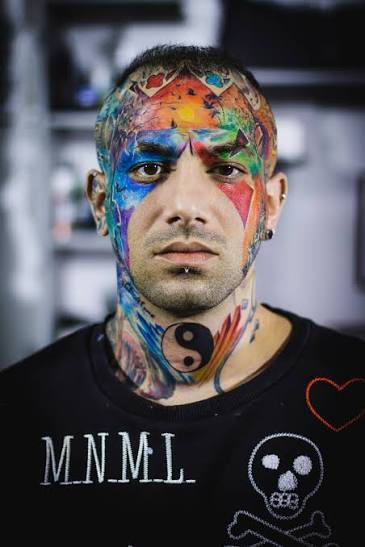
Who Is Amir Tataloo, and Why This Campaign Exists
Who Amir Tataloo is, what this campaign stands for, and the principles at its heart: freedom of expression, due process, and human dignity.
Read article
How to Support a Human-Rights Campaign Responsibly
Practical, peaceful and accurate ways to support a human-rights campaign without spreading misinformation or putting anyone at risk.
Read article
Verified Facts, Reported Claims, and Campaign Positions
How to keep verified facts, reported claims and campaign positions separate, with a simple test to run before you share anything.
Read article